What eco-friendly promotional products actually get used?
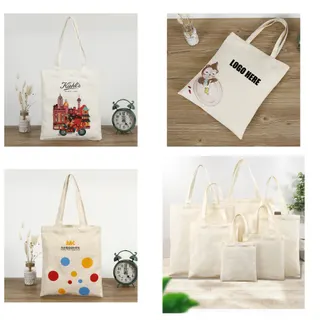
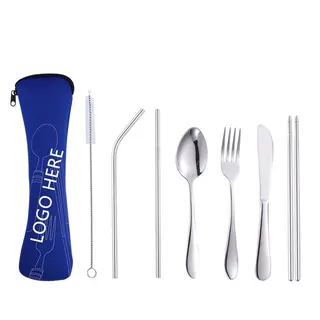
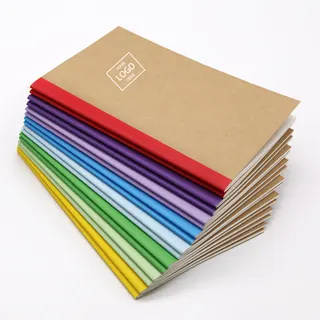
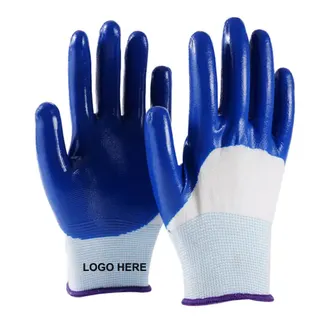
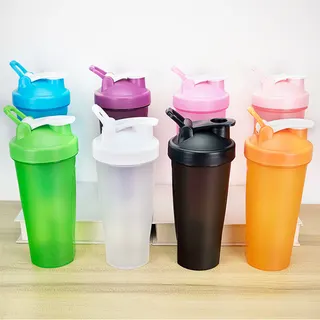
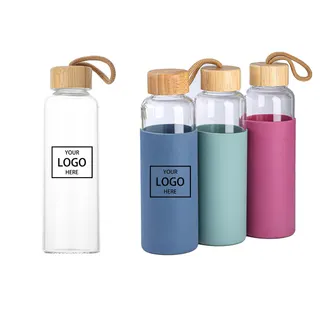
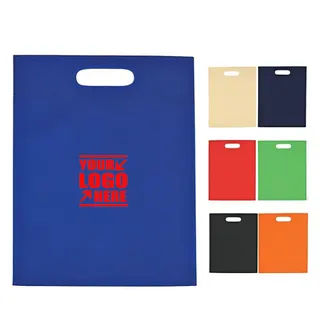
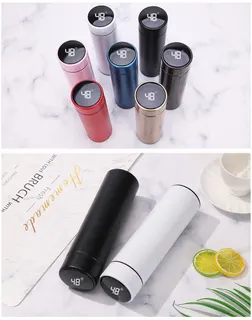
Items that replace a disposable habit: rPET or recycled-cotton totes, stainless or glass bottles, bamboo cutlery sets, stainless straws and FSC-paper notebooks. Seed-paper cards and bookmarks get planted rather than thrown away. The Zero-Waste Kit combines these; the Cleanup-Day Crew kit adds gloves and a bottle that volunteers use as working gear.
What is rPET and is it really recycled?
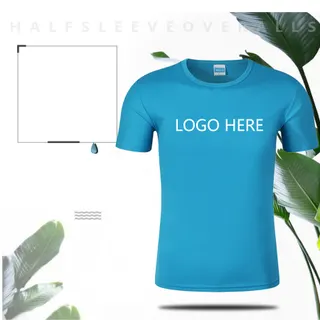
rPET is polyester made from recycled PET plastic, typically post-consumer bottles, spun into fabric for totes, tees and backpacks. Whether a specific product is truly recycled depends on the supply chain, so ask for GRS or RCS certification and the stated recycled-content percentage before printing a recycled claim on the item.
What are the best Earth Day giveaways for a company event?
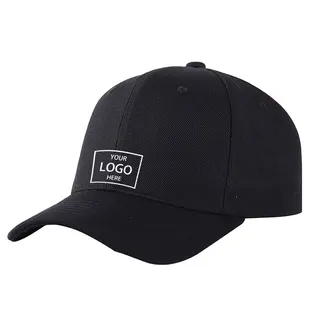
Pick one reusable item per person rather than a bag of trinkets: a bottle, a tote or a bamboo cutlery set, plus a plantable seed-paper card as the photo moment. For team cleanups, add gloves and a cap. The Zero-Waste Kit and Grow Kit are the two Earth Day patterns on this page.
Are bamboo promotional products compostable?
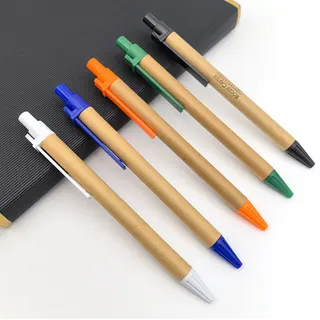
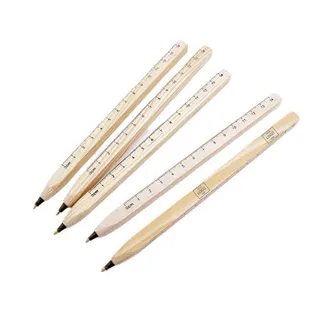
Solid bamboo items such as cutlery and pens are plant material and can break down, but many bamboo-look products are bamboo fiber bonded with melamine or PLA, which does not compost at home. Under the FTC Green Guides, only make a compostable claim the supplier can document, and specify home or industrial composting.
How do I avoid greenwashing claims on promotional products?
Follow the FTC Green Guides: state recycled content as a percentage backed by GRS, RCS, GOTS or FSC certificates; reserve compostable and biodegradable for items with documentation; avoid unqualified words such as eco or green on the imprint. Keep the supplier certificates on file with the order so marketing can answer questions later.