How much can a nonprofit spend on a donor thank-you gift before it reduces the deduction?
The IRS token exception lets a donor deduct the full gift when the thank-you item bears the organization's logo and costs the nonprofit less than a yearly published amount. Above those limits the item's fair value reduces the deduction and may trigger disclosure. Confirm current figures with your accountant; the Monthly-Donor Welcome kit targets the token tier.
What are low-cost volunteer appreciation gifts in bulk?
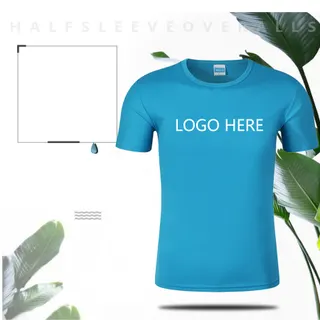
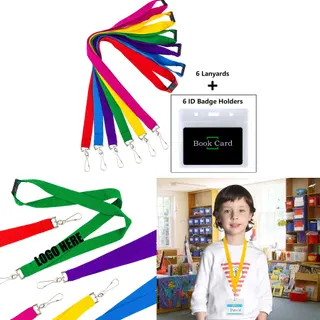
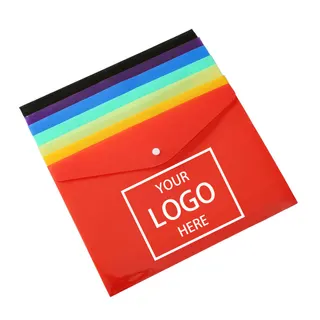
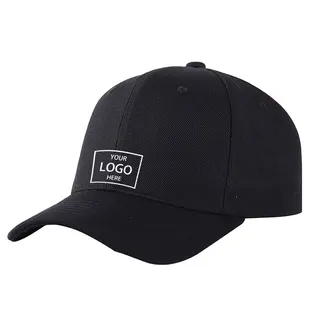
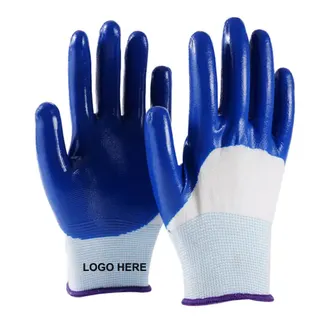
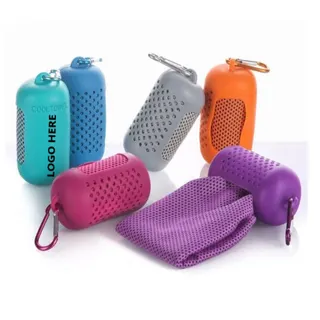
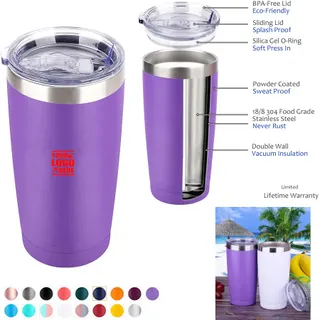
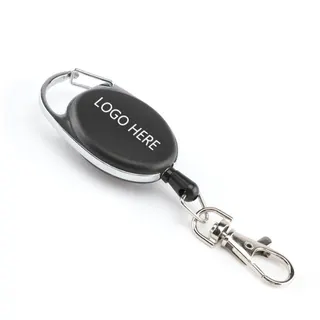
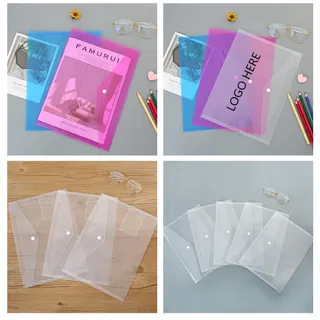
A tee plus a water bottle covers most volunteer programs; add a lanyard with name badge and a printed certificate in a folder. For outdoor work days, gloves, a cap, SPF lip balm and a cooling towel are more useful than novelties. The Core Volunteer Bundle and Work-Day Gear kits package these at volume.
What goes in a 5K participant swag bag?
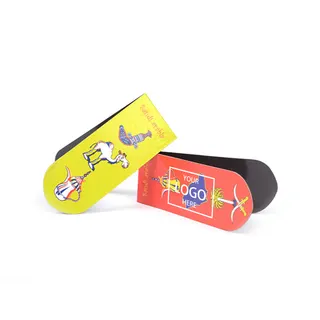
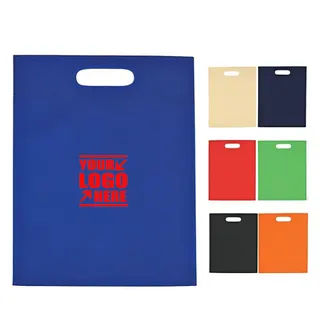
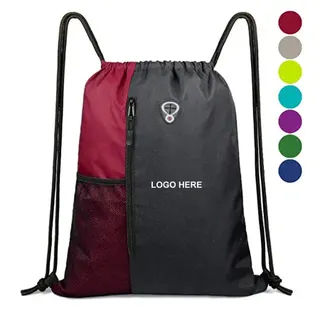
An event tee, drawstring bag, sunscreen packet, SPF lip balm, wristband, bib clips and a sponsor flyer for registration; a medal or ribbon magnet, sunglasses, cooling towel and a small belt bag at the finish line. Print sponsor logos on the bag and the organization's logo on the tee. See the Runner Packet and Finisher Kit.
What should a new-donor welcome kit include?
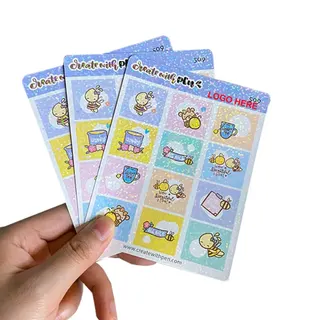
A signed thank-you letter, an impact story card, a donor or member card, a die-cut sticker, an enamel pin and branded notecards. Keep the item cost inside the IRS token tier so the donor's full gift stays deductible, and save apparel and drinkware for Giving Tuesday premiums or major-donor stewardship.
What sustainable swag actually gets used?
Items that replace something disposable: rPET or recycled-cotton totes, reusable bottles, bamboo cutlery sets and FSC-paper notebooks. Plantable seed-paper cards and bookmarks are low-cost and memorable. Ask for supplier certificates for any recycled or compostable claim so the organization can state a percentage rather than a vague label.